GuidesStrategy
Resort Marketing With Video: Sell the Day, Not Just the Room
· 6 min read
Listen to this guide
Resort marketing sells a day, not a room. A guest doesn't book four walls and a bed, they book waking up steps from the beach, riding the lazy river with their kids, and watching the sunset from the pool bar. Photos can only show the room. Video shows the day. The fastest way to make that switch is a short library of clips built around what actually happens at your resort: arrival, pool and beach, food, activities, and sunset, each one cut for the guest who actually books it.
Why Resort Marketing Needs Video, Not Just Photos
Rooms at a beachfront resort look a lot like rooms at the resort two miles down the coast: a bed, a balcony, a view of the same ocean. What actually sells the stay is everything that happens outside the room, and that is much harder to communicate in a still photo. Expedia Group's 2025 study, based on 7,000 travelers across seven markets, found that video influences travel booking decisions almost three times more than static images: 71% of travelers said video shaped their decision, versus 24% for photos. Both short clips (49%) and longer ones (45%) moved travelers in a positive direction, and the tones that built the most trust were transparency, clarity and confidence, and authenticity, not polish. For a resort, that means the lazy river actually looks fun, the buffet actually looks like the buffet, and the beach actually looks like your beach.
You don't need a studio budget to make this work. Marriott's "Two Bellmen", a 17-minute short film shot at the JW Marriott LA Live, is the extreme version: millions of views and a reported 65% lift in brand searches. Most resorts don't need a short film. They need a handful of honest, well-shot clips that show what a day actually looks like, which is a much smaller project than it sounds.
The Resort Marketing Content Stack: Five Moments to Capture
Every resort, from a small boutique property to a large all-inclusive, is telling the same five-part story. Build clips around each moment and you have a content stack that works across your website, OTA listings, and paid social.
- Arrival. The drive or walk in, the golf cart to the room, the first glimpse of the pool or lobby, the moment a guest exhales and starts their vacation.
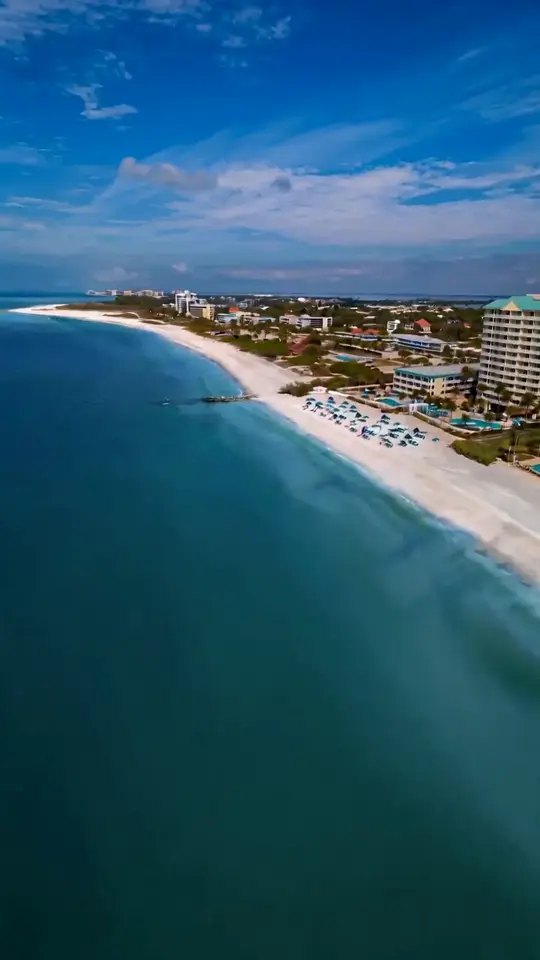
- Pool and beach. The main pool, the lazy river if you have one, beach chairs being set up at sunrise, kids jumping in, a paddleboard pushing off.
- Food. The breakfast spread, a cocktail being built poolside, the signature restaurant at night, room service arriving. Food sells a resort almost as hard as water does.
- Activities. Kids club, watersports, the spa, the golf course, evening entertainment by the fire pit. This is where you show there's more to do than lie down.
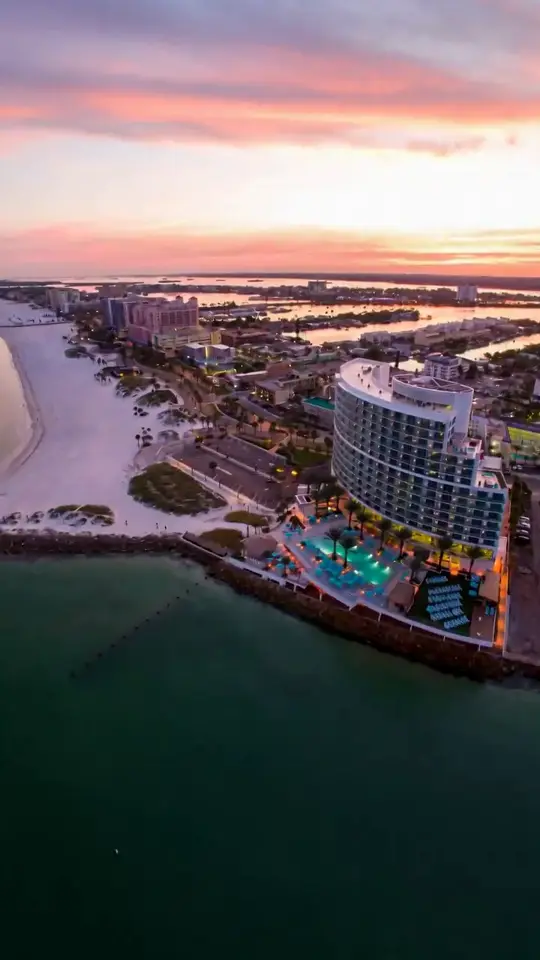
- Sunset. One golden-hour shot that closes almost every good resort video. It costs nothing extra to capture and it works in every single edit.
Segment the Clips, Not the Resort
The mistake most resorts make is building one video and hoping it works for everyone. It won't, because a family with three kids, a couple celebrating an anniversary, and a corporate group booking a conference room are not looking at the same resort. They're looking for three different resorts that happen to share an address. The fix isn't three different properties, it's three different cuts of the same footage.
- Families want to see the kids club, the lazy river, the shallow end, and a room that can fit a crib. Show noise and motion.
- Couples want the quiet version: the sunset dinner table, the adults-only pool, the spa, the walk on the beach at dusk. Slow the pace down.
- Groups and meetings want the event space, the group activity options, and proof the resort can handle twenty people, not just two. Show scale.
None of these need a full new shoot. A camera on the pool deck at 4pm can capture a family splashing in the shallow end, a couple sharing a drink at the edge, and a group toasting at a cabana within the same hour, and each of those becomes a different clip for a different audience later.
The efficient way to do this is to shoot once, broadly, and cut the raw footage into audience-specific versions after the fact rather than staging three separate shoots. A resort's seasonal content plan usually maps onto this same segmentation, since certain seasons naturally skew toward one guest type over another.
The Same Resort, Four Different Products a Year
A ski-adjacent resort in December is not selling the same thing it sells in July, and a beach resort during spring break week is not selling what it sells in a quiet October. Treat each season as its own product with its own hero clip: fireplaces and hot tubs in winter, pool parties and family activities in summer, quieter adults-leaning content in shoulder seasons when the crowd skews toward couples and remote workers. Building this out ahead of time, rather than scrambling every quarter, is the difference between a resort that always looks current and one running last June's clip in November. We cover how to structure that calendar in our guide to seasonal hotel marketing video, including how many clips to plan per season and when to refresh them.
Where Resort Marketing Video Actually Earns Its Keep
Not every channel treats video the same way, and getting the specs wrong is the fastest way to have a clip rejected or ignored outright. Three places consistently pay off for resorts:
- OTA listings. Expedia allows one video per property in the listing, vertical 9:16, minimum 30 fps, 10 to 30 seconds (40 max), property-focused with no prices or promos and no still-photo slideshows. Vrbo is more flexible: 15 seconds to 2 minutes, 9:16 or 16:9, up to 500 MB. Booking.com does not accept video in its property gallery at all, photos only, so don't spend a shoot trying to fill that slot. Google Business Profile takes clips up to 30 seconds and 75 MB, 720p or higher, usually live within 24 to 48 hours after review.
- Paid social. Short vertical clips of pool, beach, and sunset are consistently the strongest resort creative on Instagram and TikTok placements, because they already match the native format of the feed.
- Pre-arrival upsell. A short video in the confirmation or pre-arrival email, cabana rentals, the spa menu, the sunset dinner package, converts better than a text list because the guest can picture themselves there before they even check in.
A resort clip pack built once and cropped into all three formats covers this entire list without three separate shoots.
What This Looks Like on Real Resorts
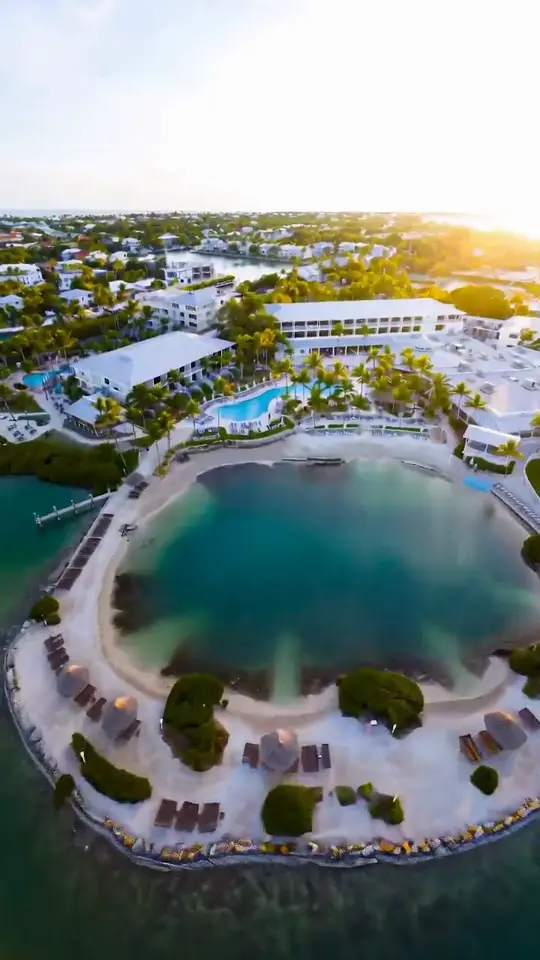
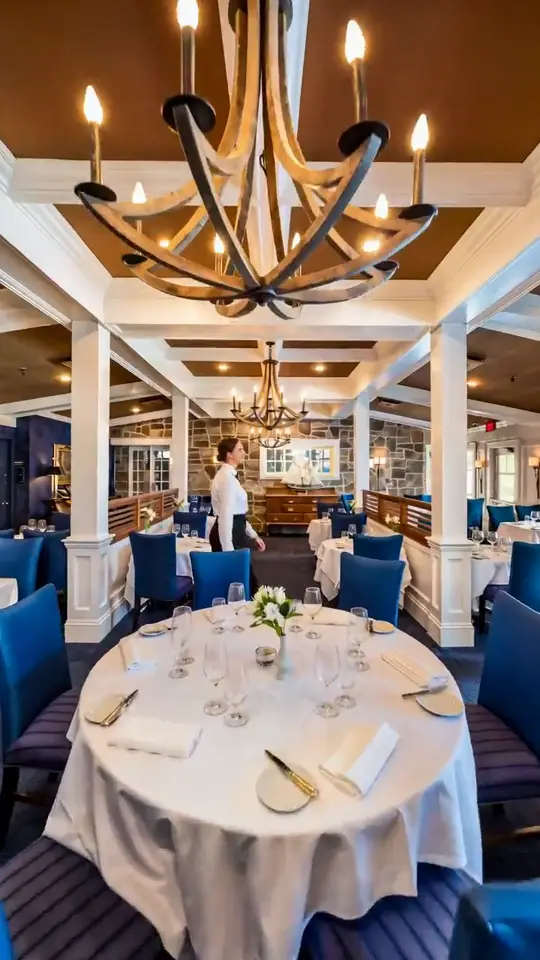
The pattern above isn't theoretical, it's the actual playbook behind resort videos delivered for properties across the US and Canada. A Gulf Coast beach resort leans almost entirely on pool and sunset content because that's what its guests are booking for. A Florida Keys resort leans into watersports and the marina because fishing and boating are the draw, not the room. A Quebec lakeside property built its whole story around a quieter, adults-leaning version: fireplaces, spa, and water at dusk, because that's the guest it actually attracts.
For more of how different property types approach this, see more hotel and resort video examples drawn from properties in the US and Canada.
Getting a Resort Video Library Started This Week
You don't need a production crew on-site to start. hotelvideo.ai turns the photos a resort already has into video, human-reviewed, delivered in 48 hours: $149 for a single 15-second vertical clip, $549 for five, or $999 for a full property pack of one 16:9 website film plus six verticals, enough to cover arrival, pool, food, activities, and sunset in one pass. Start with the content stack above, pick the two or three moments your resort is actually known for, and build out from there rather than trying to cover everything on day one.
Frequently asked questions
What should a resort video show first?
Lead with whatever your resort is actually known for, not a generic room tour. For most resorts that's the pool, the beach, or the first view guests get on arrival. If you can only make one clip, make it the sunset or the main pool at its best moment, golden hour, empty of clutter, with real movement in the water. That single shot does more selling than a full tour of every wing of the property.
How is resort marketing different from hotel marketing?
A city hotel usually sells location and convenience, close to the airport, walking distance to the conference center. A resort sells the day itself, because guests already traveled to be there and the room is almost beside the point. That means resort marketing leans harder on pool, food, activities, and sunset content, while hotel marketing leans harder on neighborhood, transit, and meeting space.
How many videos does a resort need?
Plan for five to eight clips covering arrival, pool and beach, food, activities, and sunset, then a few audience-specific cuts of the strongest footage for families, couples, and groups. Refresh two or three of them each season so the content matches what's actually happening on property. You don't need dozens of videos, you need the right five or six doing real work across your website, listings, and social.
Is drone footage worth it for resorts?
It can be, especially for large or waterfront properties where an aerial shot shows scale a ground camera can't. It's not required though, and drone footage still has to fit the same listing rules as everything else, like Expedia's vertical 9:16 format with no music or voiceover. For most resorts, a strong ground-level pool, beach, or sunset clip converts just as well as a drone shot, so treat drone as a bonus for the website film rather than a must-have for every clip.