GuidesStrategy
Boutique Hotel Marketing Ideas That Punch Above Budget
· 7 min read
Listen to this guide
Boutique hotel marketing works best when it plays to the one advantage chains don't have: personality. You don't need a marketing team or a big budget to compete with the OTAs and the big-brand property down the street. You need to be specific about who you are, show that in video and photos guests actually watch, and put a little energy into local partnerships and direct booking perks. Here are seven ideas that punch above their budget, roughly in order of how fast you can start.
- Lead with what only you have. Your building's history, the owner's face, the neighborhood: whatever a big flag two blocks away can't copy. Say it everywhere, not just on the "About" page.
- Turn the photos you already have into short clips. You don't need a production crew to get moving video in front of guests; a photo-to-video pass can get you there in days.
- Let the owner or GM be on camera. A short, unpolished walkthrough from a real person builds more trust than a glossy ad.
- Build two or three local partnerships that generate content on their own. A café collab, a walking-tour tie-in, a local maker in the gift shop.
- Swap discounts for perks on your direct booking page. Late checkout, a welcome drink, free parking: value that doesn't undercut your rate on OTAs.
- Post short-form video where guests actually scroll. Reels and Shorts, not just a static feed.
- Track three numbers every month. Occupancy, direct booking share, and repeat or referral rate. That's the whole scoreboard.
Lead with the one thing chains can't copy
Every boutique or independent hotel has something a big-name flag down the street cannot replicate: a specific building, a specific owner, and a specific neighborhood. That's the actual asset, and it's worth treating as your marketing budget rather than a nice-to-have. Before you spend a dollar on ads, check whether your website, your Google Business Profile, and your social bios actually say what makes this property different from the resort chain next door. If your "About" page reads like it could describe any four-star hotel in the world, you've buried the one thing a big brand can't buy.
Start with specifics, not adjectives. Instead of "boutique charm," name the decade the building went up, the reason the courtyard fountain is shaped the way it is, the staff member who's worked the front desk for fifteen years. Boutique hotel marketing that works reads like it was written by someone who actually lives in the building, because it was. Guests who choose an independent property over a chain are already looking for that; your job is to make it easy to find, not to hide it behind generic hospitality copy that sounds like everyone else's.
Boutique hotel marketing on video: turn photos into clips without a crew
Video isn't optional context anymore, it's what guests watch before they book. In a 2025 Expedia Group study of 7,000 travelers across seven markets, video influenced booking decisions almost three times as much as static images: 71% of travelers said video shaped their decision, versus 24% for photos. Both short-form and long-form clips moved the needle in that same study, so you don't need a mini-documentary, you need something short, honest, and posted regularly.
None of that requires a budget most boutique hotels don't have. The photos you already have on hand, room shots, the lobby, the pool at golden hour, can become short video clips without booking a crew or a shoot day. That's the idea behind hotelvideo.ai: upload the photos you already have and get a human-reviewed video clip back in 48 hours. If you're weighing that against hiring a videographer, it's worth reading what video actually costs before you commit to either path.
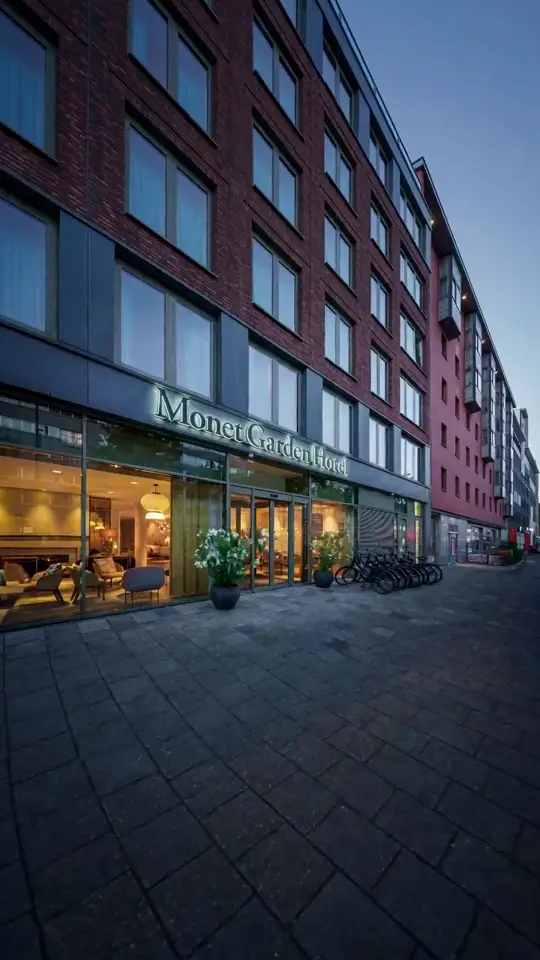
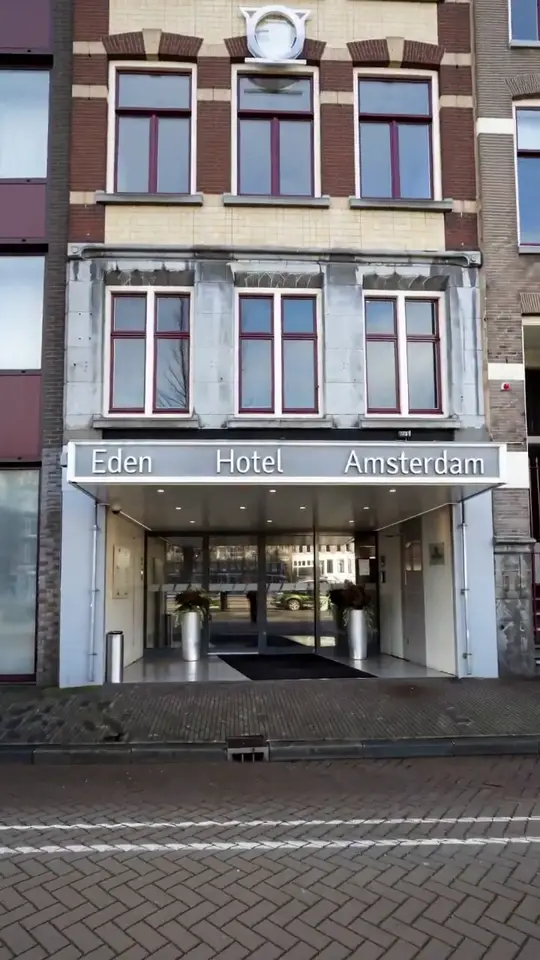
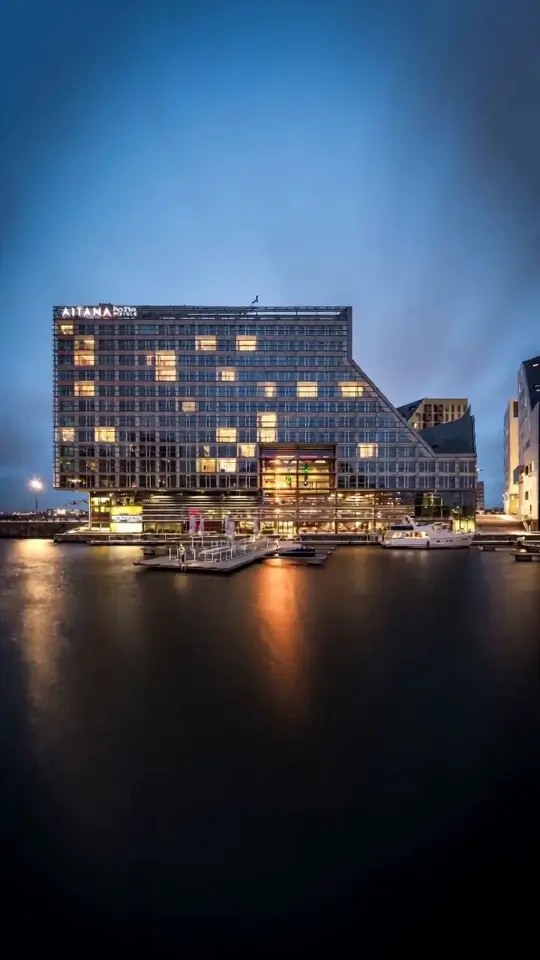
Where you post matters as much as what you post. Expedia's own listing tool accepts one vertical video per property (9:16, 1080x1920 or higher, 10 to 30 seconds, no music or voiceover, no prices or promo text: full guidelines here). Google Business Profile takes clips up to 30 seconds and 75 MB, usually live within a day or two (BrightLocal). Booking.com, notably, still doesn't accept video in its property gallery at all, so don't spend time trying to upload there; put that clip on your own site and social instead.
For the social side, vertical video does double duty: the same 15-second clip you cut for Expedia or your website can become a Reel with almost no extra work. If you're short on what to actually film, our Reels ideas for hotels is a good starting list.
The owner voice: stories, not campaigns
Marriott can commission a 17-minute short film (its 2015 "Two Bellmen," produced by the brand's in-house content studio, reportedly drove a 65% lift in brand searches according to the Shorty Awards case study). You can't, and you shouldn't try. The boutique version of that same instinct, using content to make people feel something about the property before they arrive, doesn't need a studio. It needs the owner or manager willing to hold up a phone and talk about the place they run.
That same Expedia Group study found the tones that build the most trust with travelers are transparency (52%), clarity and confidence (46%), and authenticity (45%), well ahead of polish or production value. A 45-second video of the GM explaining why breakfast is served on the terrace, or the chef walking through the market where she buys produce, does more for booking confidence than a stock drone shot. Post it unedited if you have to. The goal isn't a campaign, it's a running, honest record of who's actually running the place.
Local partnerships as a content engine
A single well-run local partnership gives you months of content without you having to invent anything. Pick two or three businesses near the property that already reflect your guests' interests, a coffee roaster, a walking-tour guide, a small gallery, and build something reciprocal: a joint package, a mention on each other's sites, a shared reel filmed on both properties. Each collaboration is content and a booking incentive at the same time, and it costs almost nothing beyond the time it takes to ask.
- A tasting or pairing night with a nearby restaurant or wine shop, filmed and posted from both accounts.
- A guided walk or bike route co-branded with a local tour operator, offered free to guests who book direct.
- A maker or artisan feature in the lobby or gift shop, with a short video on how the goods are made.
- A seasonal tie-in with a nearby festival, market, or event, timed to a real spike in local search interest.
Direct booking perks that don't devalue the brand
Cutting your rate to beat an OTA is a losing game: it trains guests to shop for the lowest price instead of the property, and it usually violates the rate parity clauses most OTA contracts require anyway. Perks work better than discounts because they add value without touching the number on the page. Late checkout, a welcome drink, free parking, a room upgrade when one's available, a discount at the local partner from the section above: all of it feels generous to the guest and costs you far less than a rate cut.
If you haven't built out a direct booking page that actually competes with the OTA listing next to it, our direct bookings playbook walks through the specific perks and page elements that move the needle, video included.
- Free late checkout (even one extra hour reads as generosity).
- A welcome drink or local snack on arrival, sourced from one of your partners.
- Complimentary parking or a ride credit, if that's a real pain point for your guests.
- First right of refusal on upgrades, offered only to guests who book direct.
Measure like a small business
You don't need a dashboard full of vanity metrics. Three numbers tell you almost everything: occupancy, the share of your bookings that come direct versus through an OTA, and your repeat or referral rate. Pull them monthly from your property management system and a simple spreadsheet, no analytics platform required. If direct share climbs after you launch a video or a new partnership, that channel is working; if it hasn't moved in two or three months, it's not the right lever right now. Ask at check-in how people found you, and log the answer. That single habit tells you more than most paid tools will.
None of these seven ideas need a marketing team or an agency retainer. They need consistency: post the video, keep the partnership running, ask the perk question at every direct booking. Boutique hotel marketing rewards the properties that show up the same way, in the same voice, month after month.
Frequently asked questions
How much should a boutique hotel spend on marketing?
There is no universal percentage that fits every property, and quoting one would be guessing. A more useful question is where the money already budgeted for marketing is going. If most of it disappears into OTA commissions and boosted posts with no tracking, redirect a slice toward things that compound: a batch of video clips made from photos you already have, a couple of local partnerships, and a direct booking page worth sending people to. Consistency matters more than the total number.
What is the best marketing channel for boutique hotels?
There isn't one best channel, but there is a best core: your own website with a strong direct booking page, your Google Business Profile, and one social channel you can actually keep up with, usually Instagram. Video multiplies whatever you post there, since travelers say video influences their booking decisions far more than photos do. OTAs still bring visibility, but treat them as a discovery channel that feeds your direct site, not the destination itself.
How can boutique hotels compete with OTAs?
Not on price or reach, that fight is already lost. Compete on what a marketplace listing flattens out: a specific building, a specific owner, real photos and video instead of a template gallery, and service an algorithm can't promise. Use OTAs for what they're good at, getting found, then give people a reason to book direct next time: a genuine perk, a warmer welcome, and a direct booking page that actually shows who you are instead of a row of amenity icons.
Can I do video marketing without a team?
Yes. You don't need a videographer or an editor on staff to get started. The photos you already have, room shots, the lobby, the view from the terrace, can be turned into short video clips using AI-assisted, photo-to-video tools, then reviewed by a person before anything goes live. Pair that with a phone-shot clip of the owner or manager talking for thirty seconds, and you already have more video than most independent hotels post in a year.