GuidesStrategy
Seasonal Hotel Marketing: Keep Your Video Fresh All Year
· 7 min read
Listen to this guide
Seasonal hotel marketing means swapping your video content to match what guests are actually booking right now, not leaving one launch video live for years. The single most common video mistake hotels make is filming once and calling it done: a snow-covered entrance still greeting summer shoppers, a pool clip autoplaying in January. Guests notice the mismatch even when they can’t name it, and it quietly chips away at trust at the exact moment they’re deciding whether to book with you.
Why a stale video quietly costs bookings
Think about what a video is actually doing on your site or Instagram: it’s a promise about what the stay feels like right now. A fireplace-and-snow clip tells a July browser, correctly or not, that this isn’t the property for their beach week. A pool-and-rooftop clip tells a December browser the same thing in reverse. Neither is lying exactly, the footage is real, but it’s answering last season’s question instead of this one.
This matters more the more seasonal your property is. A downtown business hotel can get away with a fairly neutral, evergreen video because the pitch (location, rooms, meeting space) doesn’t change much month to month. A ski lodge, a beach resort, or a lake property is a different story: the entire reason someone books changes with the calendar, and showing the wrong season reads as either out of date or, worse, dishonest about what’s currently open. If that’s your situation, our resort marketing video guide goes deeper into just how much resort seasonality should shape the whole strategy, not just the video.
Small but real: a guest scrolling your homepage in August who lands on a video of bare trees and a closed patio is more likely to bounce to the next hotel in their tab, not because the property looks bad, but because the video makes it look closed. That’s a lost booking that had nothing to do with your rates or your rooms.
Building a seasonal hotel marketing calendar
You don’t need four separate productions a year. You need a simple calendar that tells you, ahead of time, which clip goes up when and which photos you’ll need to make it happen. Most hotels do fine with four checkpoints, one per season, plus a couple of extra beats for anything unusual on their calendar: a renovation reveal, a new restaurant chef, a big local event. Here’s a starting template.
| Season | What to refresh | Where the footage comes from |
|---|---|---|
| Winter (Dec to Feb) | Fireplaces, snow-dusted entrances, hot tubs, holiday lights, cozy interiors | Photos from last year's storm days, or new ones from the first cold snap |
| Spring (Mar to May) | Blooming grounds, patio reopenings, fresh event and wedding season shots | Landscaping photos, patio staging shots from your GM or events team |
| Summer (Jun to Aug) | Pool, rooftop, beach or lake access, outdoor dining, golden hour exteriors | Guest-facing amenity photos, drone shots if you have them |
| Fall (Sep to Nov) | Foliage, harvest menus, cozy lobby vignettes, shoulder-season deals | Same lobby and exterior shots reframed with autumn light and styling |
None of this requires a new photo shoot every quarter. If your property has decent existing photography from each season, and most do, between staff phone photos, past guest photos, and old marketing shoots, that’s raw material you can turn into fresh video without booking a crew.
- List your seasons or micro-seasons. Four is the default, but a ski town might want five (adding mud season) and a beach town might collapse spring and fall into one shoulder-season bucket.
- Assign an owner. One person, usually marketing or the GM, responsible for pulling photos and requesting the refresh, not a group task nobody owns.
- Set a photo cutoff date. Two weeks before each season starts, pull whatever's usable from staff phones, past shoots, and recent guest tags.
- Put refresh dates on the rate calendar. If you're already updating seasonal rates and packages, updating the video at the same time means it never falls through the cracks.
Refreshing without re-shooting: new clips from each season's photos
This is the part that trips hotels up: they assume a seasonal refresh means a new photo shoot, so it gets pushed to next quarter, then next year, then never. It doesn’t have to. AI-generated video works directly from the photos a property already has, so a refresh becomes a matter of picking the right five or ten images from this season and turning them into a new clip, not scheduling a photographer, prepping the property, and waiting weeks for edits.
That’s the model hotelvideo.ai runs on: send the season’s photos, get a human-reviewed video back in 48 hours, no crew on site. A ski property can turn snow-day phone photos from housekeeping into a winter clip the same week the first storm hits. A beach resort can do the same the day the pool deck reopens. Here’s what that looks like across a few different kinds of seasonal properties.
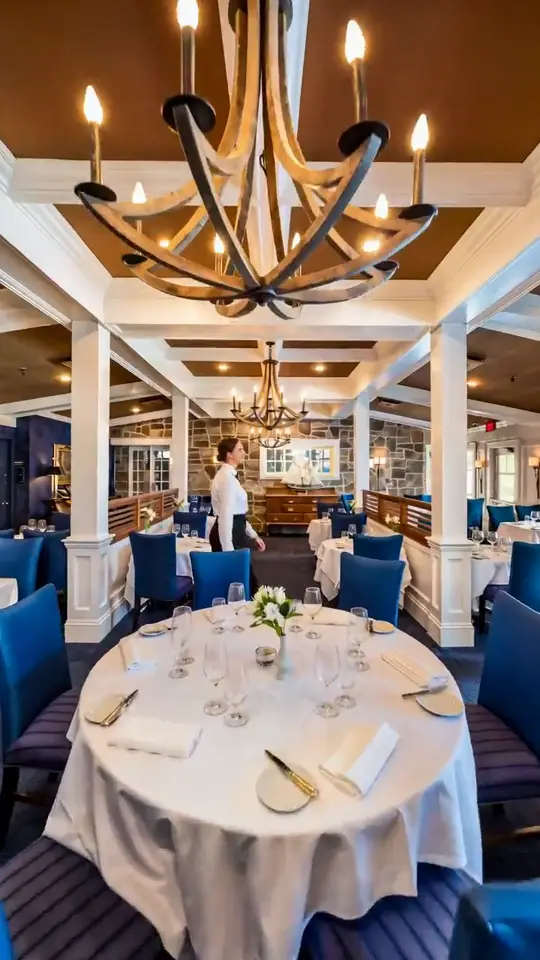
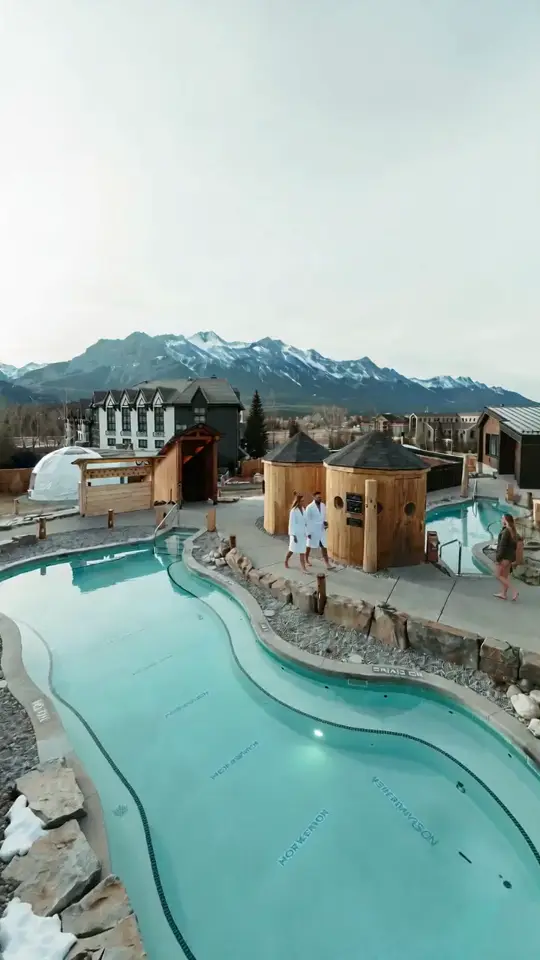
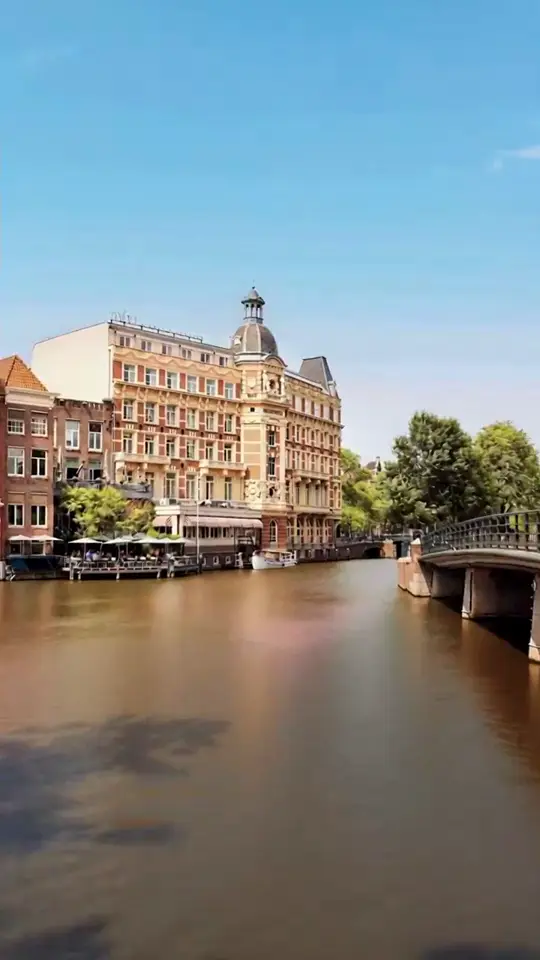
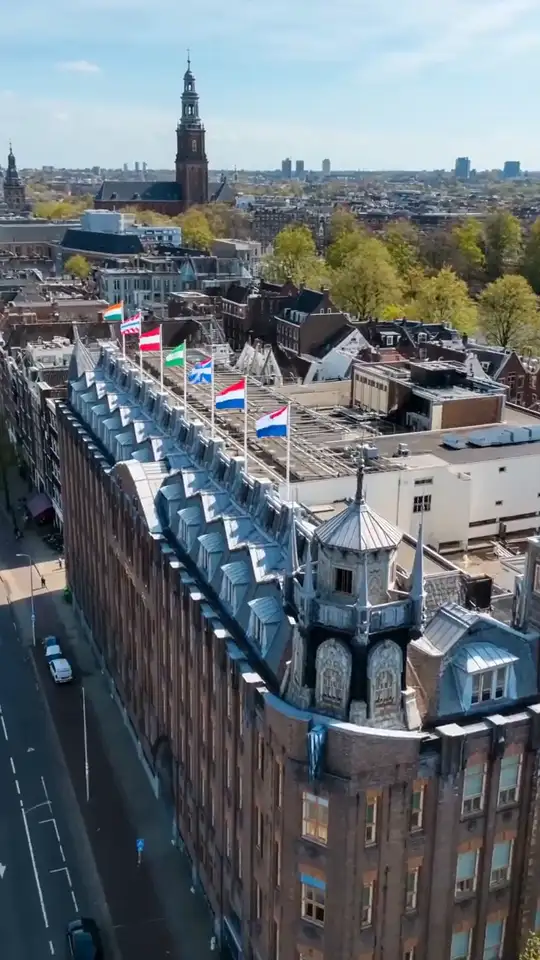
Notice the range: a lakeside spa resort leaning into summer stillness, a mountain lodge leaning into snow and alpine light, two city hotels where the seasonal story is more about events, light, and mood than weather. The refresh instinct is the same across all of them: new photos in, new clip out, nothing reshot from scratch.
Seasonal moments beyond the four seasons
Seasons aren’t the only calendar worth planning around. A few other rhythms are worth building into your content plan.
- Holidays and local traditions. Valentine's packages, a Diwali dinner, a New Year's Eve rooftop countdown, whatever's specific to your market and your guest mix, not generic stock-holiday content.
- City and regional events. A marathon weekend, a festival, a conference season, anything that fills your rooms with a specific type of guest who wants to see themselves in the footage.
- Low-season honesty. Shoulder and off-season months are usually when hotels go quiet on content, which is backwards. That's exactly when a well-made clip showing what's genuinely good about visiting now (fewer crowds, better rates, a quieter pool deck) can move a booking that a generic summer clip won't.
Short-form video is a natural fit for these moments because you can turn one around fast and retire it once the moment passes, no pressure to make it evergreen. If you’re building out a content rhythm for Instagram specifically, our seasonal Reels ideas for hotels post has a running list you can pull from month to month.
Budgeting the seasonal rhythm
The math that makes seasonal refreshes realistic is per-clip pricing instead of per-shoot pricing. A traditional video shoot with a crew, direction, and full production typically lands in the $1,500 to $16,000 range depending on scope, with most hotels landing in a $3,200 to $7,800 sweet spot for something genuinely well made, according to Vidico's 2026 pricing survey of clients and agencies. That’s a reasonable number for one flagship video. It’s a hard number to justify four times a year.
Refreshing from existing photos changes the math because there’s no crew, no travel, no site visit to schedule around. A single 15-second vertical clip runs $149 with delivery in 48 hours, which is closer to what a seasonal refresh should cost: cheap enough to do every quarter, fast enough to catch a season while it’s still current. Our full breakdown of hotel promotional video costs compares the per-clip and per-shoot models side by side if you want the fuller picture.
A practical budget split for most independent hotels: keep one strong, evergreen 16:9 film for your website homepage (the kind of production worth spending more on), and treat vertical social clips as the seasonal layer, refreshed every few months as the photos change. That’s the split behind the $999 property pack, one longer film plus six vertical clips, built so you’re not choosing between a good hero video and a current one.
Whatever system you land on, the goal is the same: nobody should be able to tell your homepage video from a photo taken last week just by looking at what’s blooming outside.
Frequently asked questions
How often should a hotel refresh its videos?
Most hotels do well with a refresh every season, so four times a year, plus an extra pass around any major event or renovation. If your property barely changes with the seasons, a downtown business hotel, for example, twice a year is usually enough. The real test isn't a fixed number, it's whether what's on screen still matches what a guest would see if they walked in today.
Is it worth making low-season content?
Yes, and it's often the highest value content you make. Low season months are when hotels go quiet, which means less competition for attention and a genuine story to tell: fewer crowds, better rates, more availability. A short clip that's honest about what a quiet season actually offers can move bookings that a recycled summer video, showing a season that isn't happening, never will.
Can I reuse last year's seasonal video?
Sometimes, if nothing meaningful changed (same pool, same patio, same look) and it's been less than a year. But check it against this year's reality first: renovations, new amenities, different landscaping, or outdated branding can make an old clip feel off. If you're unsure, a quick refresh from a handful of current photos is cheap enough that it's rarely worth the risk of running something stale.
How do I plan a year of hotel video content?
Start with a simple four season calendar: one clip refresh per season, tied to a photo cutoff date two weeks before each season starts. Add extra beats for anything unusual on your calendar, like a big local event, a holiday push, or a renovation reveal. Assign one owner to pull photos and request each refresh, and put the dates next to your seasonal rate calendar so it never gets forgotten.