GuidesStrategy
Wedding Venue Marketing for Hotels: Video Comes First
· 7 min read
Listen to this guide
Wedding venue marketing for hotels starts with video, not photos. Engaged couples build a shortlist of a few venues before they ever send an inquiry email, and they build it by watching video: an Instagram reel, the venue page, a clip on a wedding directory. A photo gallery tells them the ballroom exists. A short video tells them what it feels like to get married there: how the light falls at golden hour, how the room turns from empty space into a full reception. Skip the video and you may not make the shortlist.
What Couples Look For in a Wedding Venue Video
Before a couple ever tours in person, they are auditioning your event space on their phone. They are not just checking whether the room is pretty. They are checking whether they can picture their own wedding in it, which means they need to see more than one version of the space.
- The room empty and the room dressed. Show the bare ballroom or lawn so couples can judge its bones, ceiling height, flooring, natural architecture, then show it set for a real reception with tables, florals, and lighting so they can see what a planner or their own vendors could do with it.
- Capacity, at a glance. A wide shot with round tables set for a full reception tells couples more than a spec sheet does. If your space seats different counts for ceremony, cocktail hour, and reception, show all three.
- Natural light, especially late in the day. Golden hour is when most ceremony and portrait photos happen. If your terrace or garden catches that light well, that is a selling point video captures and a floor plan never will.
- The photo backdrops. Staircases, gardens, a skyline view, a striking bar. Couples are quietly building their photographer's shot list while they watch, so give the camera a reason to linger on those spots.
This is exactly the kind of decision video is good at influencing. Expedia Group's 2025 Science of Wanderlust study of 7,000 travelers found that video influences travel booking decisions almost three times more than static images, with 71% of travelers saying video shaped their decision versus 24% for photos. Weddings are one of the highest stakes bookings a couple will make all year, and they are not going to commit to a venue based on a handful of photos of an empty room.
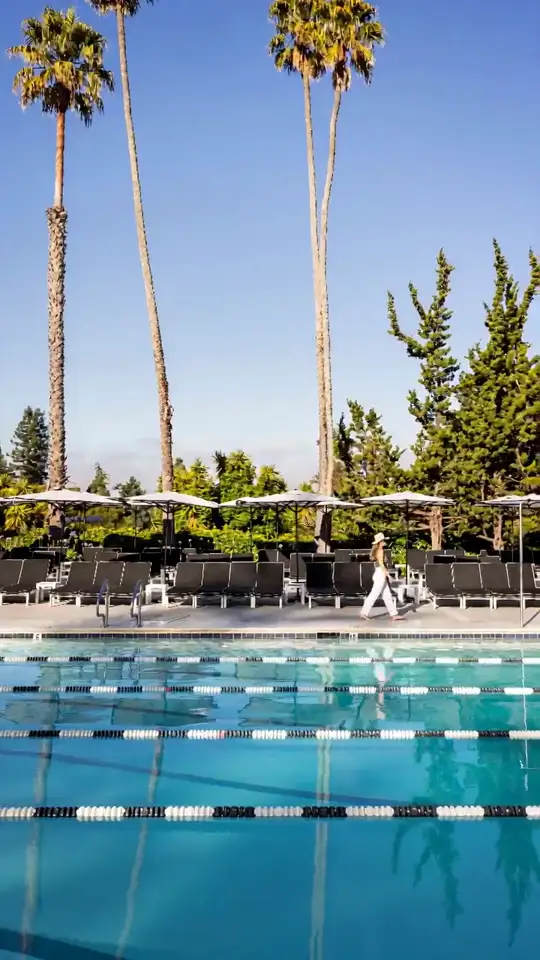
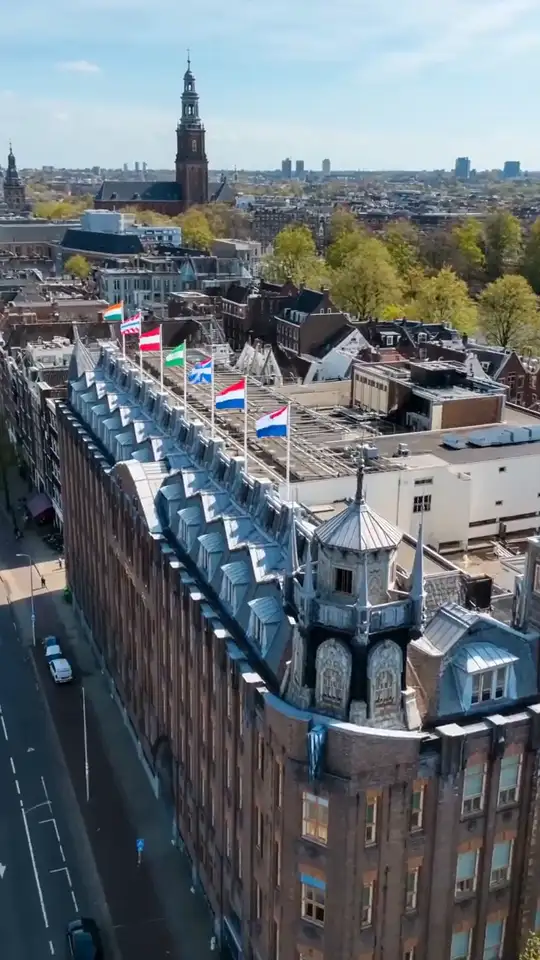
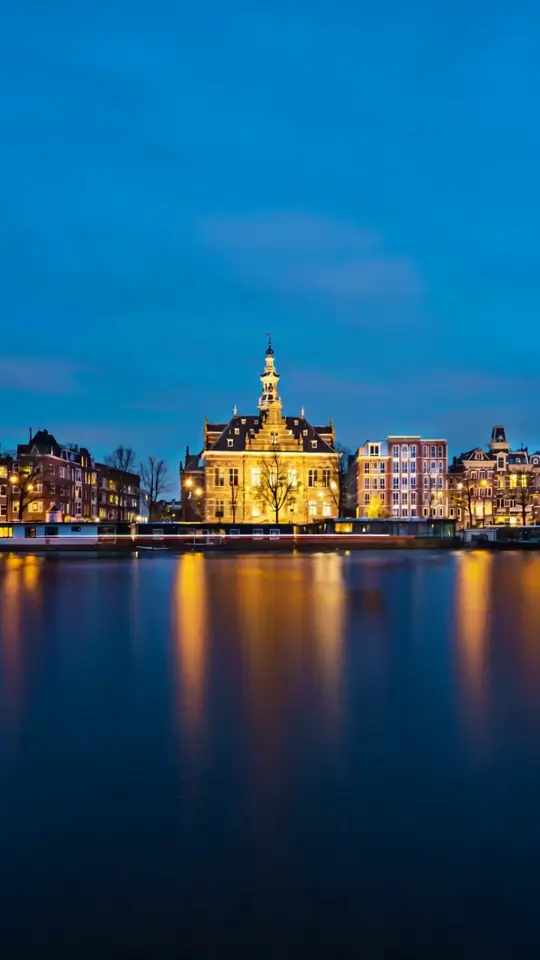
A few examples of what that kind of space and light storytelling looks like on video, from properties with grand rooms, natural light, and real architecture to work with:
Wedding Venue Marketing Starts With the Right Video Kit
You do not need a wedding film crew on retainer. What you need is a small, repeatable kit you can shoot once and reuse across every channel for a year.
- One hero film, 60 to 90 seconds. This is the film for your venue page and for couples who are seriously considering you. It should move through the full guest journey: arrival, ceremony space, cocktail hour area, reception room, and a few detail shots such as chairs, place settings, the view. Keep it wide and slow, and let the space breathe rather than cutting every second.
- A 15 second vertical per space. Ceremony lawn, ballroom, rooftop, whatever distinct areas you sell separately. These are what get posted to Instagram Reels and Stories, shared by couples to their families, and dropped into directory listings. For guidance on pacing and shot count at that length, our guide to how long a hotel video should be breaks down what fits in 15, 30, and 60 seconds.
- One seasonal refresh. A garden that sells in June looks bare in a video shot in February. If your venue books weddings across seasons, plan on refreshing the vertical clips at least twice a year so the video matches what couples will actually see on their date.
None of this needs to be expensive. A property video pack that covers one hero film plus a handful of verticals typically falls well within the range covered in our breakdown of hotel promotional video costs, and you use the footage for every wedding lead over the next year, not just one event.
Where to Publish: Venue Page, Instagram, and Wedding Directories
Shooting the kit is half the job. The other half is putting it where engaged couples are already looking.
- Your venue or weddings page. This is where the hero film belongs, ideally above the fold, autoplaying muted with a caption. If a couple gets this far, they are already comparing you to other properties, so do not make them scroll past photos to find proof.
- Instagram Reels and Stories. This is where most couples first discover a venue, often through a tagged post from a past wedding or a planner's account. Post verticals regularly, not just once, and use Highlights to keep your best space by space clips permanently visible on your profile.
- Wedding directories, if they support video. Platforms like The Knot, WeddingWire, and Zola are where many couples start their search. Check your listing dashboard for a video upload option, since not every plan or category includes it, and if it is available, use the same 15 second verticals you already have instead of paying for a separate shoot.
- Google Business Profile. Google allows business videos up to 30 seconds and 75 MB, and media typically appears within a day or two after review, per BrightLocal's Google Business Profile video guide. A short clip here surfaces when couples search for a wedding venue in your city directly in Google, before they even reach your website.
Working With Real Weddings: Permissions and Taste
The best wedding venue footage often comes from real events, not staged shoots, but real weddings come with real people who need to consent to being filmed and published.
Add a line to your event contract giving you the right to film and use footage for marketing, and confirm it again with the couple close to the date, since plans change and consent should be current, not just contractual. Keep faces out of anything you did not get sign off on, and when in doubt, favor wide shots of the room, the décor, and the details (rings, place cards, the cake) over close ups of guests. Ask your photographer or videographer if they will license you a short reel of b-roll; many will for a modest fee since it is easy footage for them to hand over. And when you do get real wedding footage, be selective. One tasteful 15 second highlight from an elegant wedding does more for your brand than a long reel of raw ceremony footage, because couples are shopping for a feeling, not a full recap.
No Wedding Footage Yet? Start From the Photos You Already Have
If you do not have a wedding archive to pull from, or the weddings you have hosted were never filmed well, you do not have to wait for the next one to build your video kit. The photos your venue already has, from past weddings, from your own marketing shoots, even well lit inventory photos of the ballroom, are enough to start.
That is the exact gap hotelvideo.ai exists to close: it turns the photos a hotel already has into short marketing videos, human reviewed before delivery, typically in 48 hours. For a venue with even a modest photo library (empty room shots, a few styled tablescapes, exterior and golden hour shots), that is enough raw material for a first hero film and a set of space by space verticals while you build up real wedding footage over the coming season. Our guide on building hotel video from the photos you already have walks through what makes a photo set usable versus what needs a reshoot first.
Wedding venue marketing does not have to start from zero. Start with the photos on hand, add real wedding footage as it comes in, and keep the kit current each season. Couples are shortlisting on video either way, and the only question is whether yours is in the mix.
Frequently asked questions
How long should a wedding venue video be?
Plan for two lengths. Your main venue page benefits from a 60 to 90 second hero film that walks through arrival, ceremony space, reception room, and a few detail shots. For social media, wedding directories, and Google Business Profile, cut that footage into 15 second verticals, one per distinct space such as the ceremony lawn, ballroom, or rooftop. Shorter clips tend to get watched to the end more often, which matters more on Instagram than on your own website.
Should venue videos show real weddings or empty spaces?
Both, ideally. Empty or lightly staged shots let couples judge the room's actual size, light, and architecture without guessing what's decor and what's permanent. Real wedding footage, even a short highlight, shows how the space comes alive with people, flowers, and lighting design. If you only have one, start with the empty and dressed shots since those need no guest consent, then add real wedding clips as you collect permission to use them.
What do couples look for in venue videos?
Mostly the same things they'd notice on a walkthrough: how big the room actually is, whether it gets good natural light, where the ceremony and reception happen relative to each other, and whether there are photogenic spots for portraits. They're also picking up on feeling, whether the space looks warm and well cared for or generic. A video that lingers on light, texture, and scale answers more of those questions than a photo gallery can.
Do we need a separate video per event space?
Not a separate hero film, but yes to separate short clips. One 60 to 90 second film can cover your whole property, but couples usually book one specific space, such as the ballroom, the garden, or the rooftop, and want to evaluate it on its own. A 15 second vertical per space lets you answer that directly on social media or in a directory listing without couples having to sit through footage of rooms they won't use.