GuidesHow-to
Hotel Photography Tips That Also Feed Great Video
· 6 min read
Listen to this guide
The best hotel photography tips for 2026 boil down to one shift in mindset: shoot every space as if it might become a video, because increasingly it will. That means walking your hero rooms at their best hour, pairing wide establishing shots with tight detail shots, keeping exposure and color consistent across the whole shoot, and skipping heavy filters that make a lobby look like nowhere on earth. A library built this way still does its job on your website and OTAs, and it becomes usable raw material for video the moment you want it, no second shoot required.
The Shot List: Hero Spaces, Wide and Detail Pairs
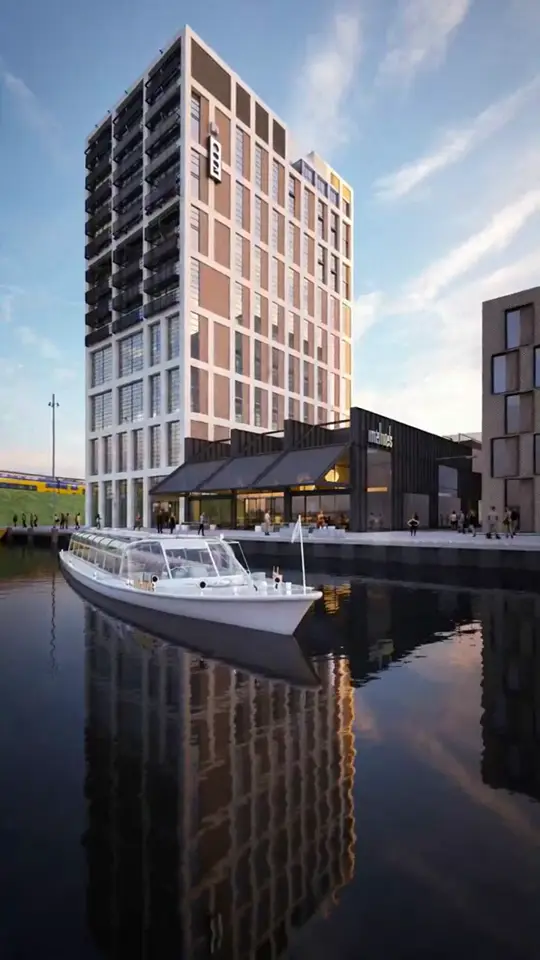
Start with the spaces that actually sell the stay: the lobby or reception, the best guest room category, the pool or outdoor area, the restaurant or bar, and the facade or entrance. For each one, shoot a wide establishing frame that shows the whole space and how it's laid out, then move in for two or three detail shots: the linens and light fixtures in the room, the espresso machine and pastry case at breakfast, the tile pattern at the pool edge. That wide-plus-detail pairing is exactly what a video needs to cut between a scene-setting shot and a close-up that gives it texture, so shooting in pairs now saves you from a second trip later. Plan the order of the day around light rather than convenience: exteriors and the pool at golden hour, interiors any time the space is clean and quiet, and anything with a view whenever the sky actually cooperates. If you want to see how that pairing turns into an actual sequence of clips, we walk through the mechanics of how hotel photos become video.
- Lobby and reception, empty or lightly staffed, shot straight-on and from a corner angle.
- Your best room category, styled and made up, shot wide from the doorway and tight on the bed and any view.
- Pool or outdoor space, shot in the hour it looks best (often not midday, when the sun flattens everything).
- Restaurant or bar, one wide shot of the room, plus details of a plated dish or a drink being poured.
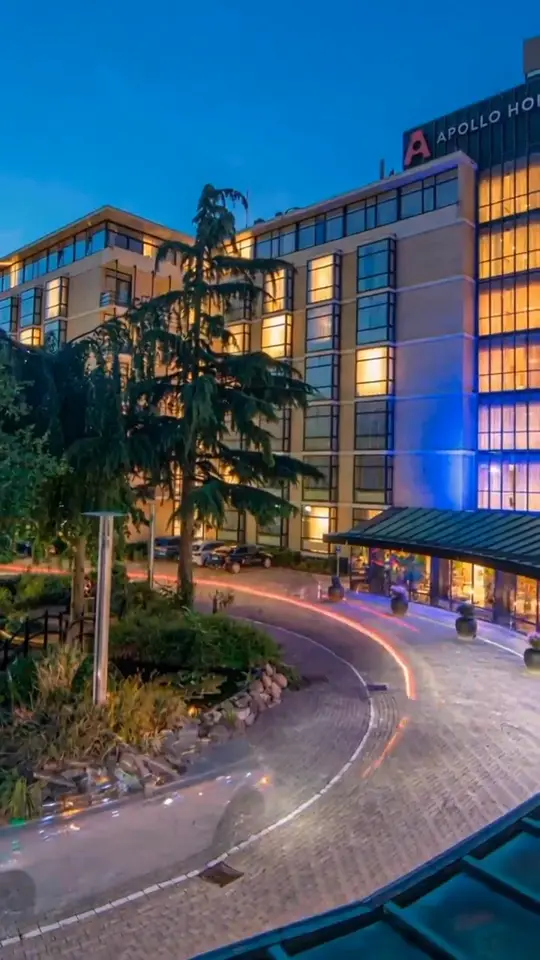
- Facade and entrance, shot at golden hour so the building doesn't look like a parking structure.
- One or two amenities, spa, gym, or a distinctive lounge, if they're genuinely part of the pitch.
Light: The One Variable That Separates Amateur from Pro
Composition matters, but light is what actually reads as professional or amateur, and it's the cheapest thing to fix. Shoot exteriors at golden hour, the hour after sunrise or before sunset, when the light is warm and low instead of flat and overhead. Indoors, the fight is almost always about mixed color temperature: cool daylight coming through a window colliding with warm tungsten bulbs, which is what gives so many hotel photos that sickly orange-and-blue split. The fix isn't complicated. Turn off mismatched lamps and shoot by window light where you can, or commit fully to the room's ambient lighting and set your white balance to match it, rather than trying to blend the two. Consistency across a shoot matters as much as any single shot looking good: a lobby that's warm and golden next to a room that's cool and blue reads as two different properties, on your website and even more so once those stills are edited into one continuous video. If you're shooting across more than one day, try to book similar weather and a similar time slot for spaces that will sit next to each other in the final gallery, so the light doesn't jump around from one card to the next.
Phone vs Professional Photography: An Honest Take
A modern phone camera, used well, in good light, at a reasonable resolution, is genuinely good enough for a lot of hotel marketing today. Where it falls short isn't sharpness, it's control: a phone struggles with wide dynamic range (a bright window next to a dim room), it can't manage strobes or fill light for a dark bar, and its wide-angle lens tends to distort small rooms in a way that misrepresents the space. A professional photographer earns their fee by controlling light and correcting those distortions, and by knowing which handful of shots out of a full shoot actually sell the property. If your budget stretches to a professional shoot once a year, that's often the smartest single line item in your marketing budget. If it doesn't, a well-lit phone shoot done thoughtfully beats a rushed professional shoot done without a shot list, every time. Two cheap habits close most of the gap: brace the phone against a doorframe or use a small tripod to avoid the slight blur handheld shots pick up in low light, and shoot a couple of stops darker than feels natural, since it's far easier to brighten a slightly dark phone photo in editing than to recover a blown-out window.
| Factor | Smartphone | Professional camera |
|---|---|---|
| Good light, simple rooms | Handles it well | Handles it well |
| Dark bars, wide dynamic range | Struggles without editing | Controlled with lighting gear |
| Small or awkward rooms | Wide lens distorts edges | Corrected with proper lenses |
| Cost per shoot | Effectively free | Day rate plus editing time |
Editing Consistency and What Over-Editing Breaks
Whatever gear you use, edit the whole batch the same way: one consistent white balance approach, one level of saturation, one crop ratio where possible. Consistency is what makes a photo library feel like one hotel instead of ten different rooms photographed on ten different days. It's also what keeps that library useful as raw material for video. Heavy HDR, oversaturated skies, or beauty-filter skin smoothing on staff photos can look fine as a single still, but they read as artificial once a system has to interpret the scene, match lighting between shots, and animate camera movement through the space. Realistic, well-lit, moderately edited photos give any video process, ours included, a much better source to work from, and getting that right is worth the effort: Expedia Group's 2025 Science of Wanderlust study found video influences travel booking decisions nearly three times more than static images, with 71% of travelers saying video influenced their decisions versus 24% for photos. That's the whole idea behind hotelvideo.ai: we turn the photos a hotel already has into a human-reviewed video in 48 hours, starting at $149 for a single vertical clip, and the honest truth is that the better and more realistic your source photos are, the better the video coming out the other end. You can see the range of what that looks like across dozens of properties in the photo-to-video portfolio, or read through real examples of finished hotel promo videos to get a feel for the end result before you plan a shoot.
More Hotel Photography Tips: Building a Living, Seasonal Library
The biggest mistake isn't a bad shoot, it's a static one. A pool photographed once in July and never again means your winter marketing is stuck selling a summer feeling, or worse, using photos that don't match what a guest sees when they arrive in December. Treat your photo library as a living document with a simple refresh habit: reshoot outdoor and seasonal spaces (pool, garden, terrace, holiday decor) at the start of each season, and do a full refresh of interior hero spaces roughly once a year or after any renovation. You don't need a full production every time. A quick, well-lit phone pass through the lobby and restaurant each quarter, following the same wide-plus-detail shot list, keeps the library current without turning it into a recurring expense. That habit pays off twice: your stills stay accurate to what guests will actually see, and you always have fresh, consistent material ready whenever you want to turn it into video. A simple way to stay honest about it: date-stamp your folders when you file new shots, and once a quarter, open your website next to your actual lobby or pool and ask whether a guest would notice the difference. If the answer is yes, that's your cue to shoot again, not a big production, just enough to catch the library up to reality.
Frequently asked questions
How many photos does a hotel need for good marketing?
Most independent hotels do well with a focused set of well-shot images covering the lobby, a couple of room categories, dining, the pool or outdoor space, and the facade, with wide and detail pairs for each. Quality and consistency matter more than volume. A tight, well-lit, consistent set of photos will outperform a much larger pile of inconsistent ones on your website, on OTAs, and as source material if you later turn any of it into video.
Are phone photos good enough for hotel marketing?
Often, yes. A recent phone shot in good natural light, following a real shot list, beats a rushed professional shoot with no plan. Phones struggle most with dark rooms, mixed lighting, and wide-angle distortion in small spaces. For simple, well-lit rooms and exteriors, phone photos are genuinely usable for your website, social media, and as raw material for AI-generated video.
How often should a hotel re-shoot its photos?
Refresh seasonal and outdoor spaces, like the pool, garden, or terrace, at the start of each season so photos match what guests actually see. Give interior hero spaces, like the lobby and top room categories, a fuller refresh about once a year, or immediately after any renovation. Smaller quarterly touch-ups with a phone keep the library current between full shoots.
What makes a photo good raw material for video?
Realistic lighting, accurate color, and moderate editing. Photos shot with consistent white balance, without heavy filters or oversaturation, give any video process an honest scene to work from. Wide establishing shots paired with tight detail shots of the same space also help, since that pairing mirrors how a video actually cuts between a wide view and a close-up.