GuidesAds
Hotel Video Ads on Meta and Google: What Works in 2026
· 6 min read
Listen to this guide
Hotel video ads work on Meta and Google when the creative respects how people actually watch: sound off, thumb moving, patience thin. Winning formats are short (10 to 30 seconds), shot vertical-first for 9:16, captioned so the story reads muted, and built without prices or dates baked into the file so offers can change without a re-edit. Expedia’s 2025 traveler study found video influences booking decisions nearly three times more than static photos, 71% versus 24% (Expedia Group), which is the case for shifting ad budget toward video this year.
Meta hotel video ads: placements and specs that matter
Most hotel video ads on Meta run through Advantage+ placements, which means Meta chooses where your creative shows across Facebook and Instagram Feed, Stories, Reels, and sometimes Marketplace or Audience Network. Build for the tightest format first, vertical 9:16 at 1080x1920, since Reels tends to carry the most inventory for hotel content and forgives nothing if the source clip was shot horizontal. Meta’s own guidance on text overlays and safe zones recommends keeping logos, captions, and key visuals out of the top and bottom safe zones so nothing gets hidden behind the profile name, caption bar, or call-to-action button (Meta Business Help Center). Length matters less than people assume: several placements technically allow videos well over a minute, but a tight 10 to 30 second cut with something happening in the opening frames beats a longer video that opens slow. Pair this with retargeting audiences (recent site visitors, past guests) rather than cold interest targeting alone, since a short property video tends to close warm traffic more efficiently than it wins over people who have never heard of the hotel. If vertical shooting is new to your team, our format guide to vertical video for hotels walks through the shot list that turns a normal property tour into clips built for 9:16 from the start.
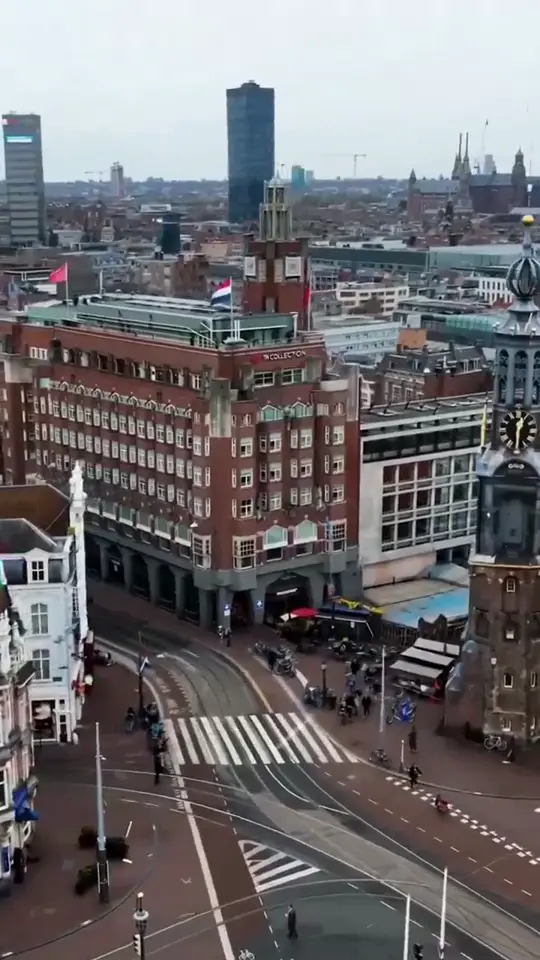
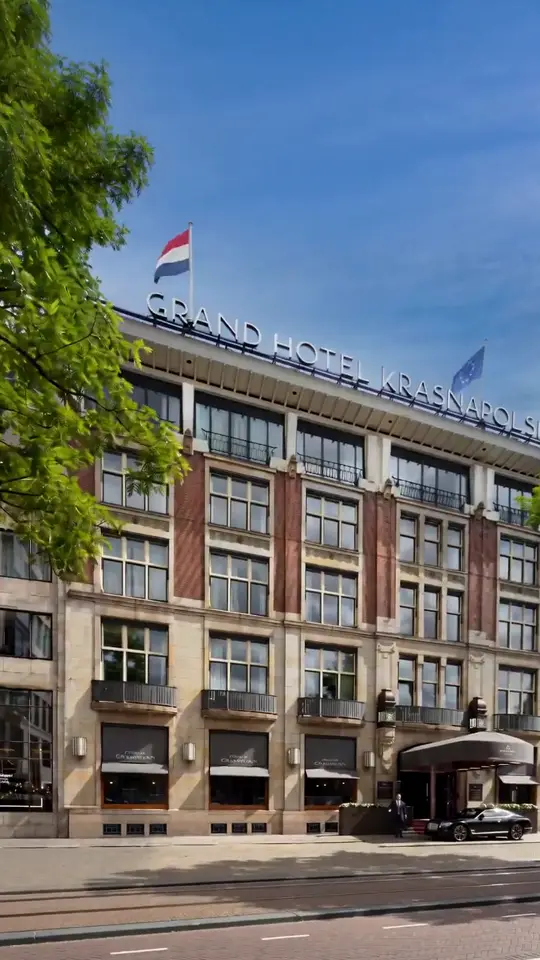
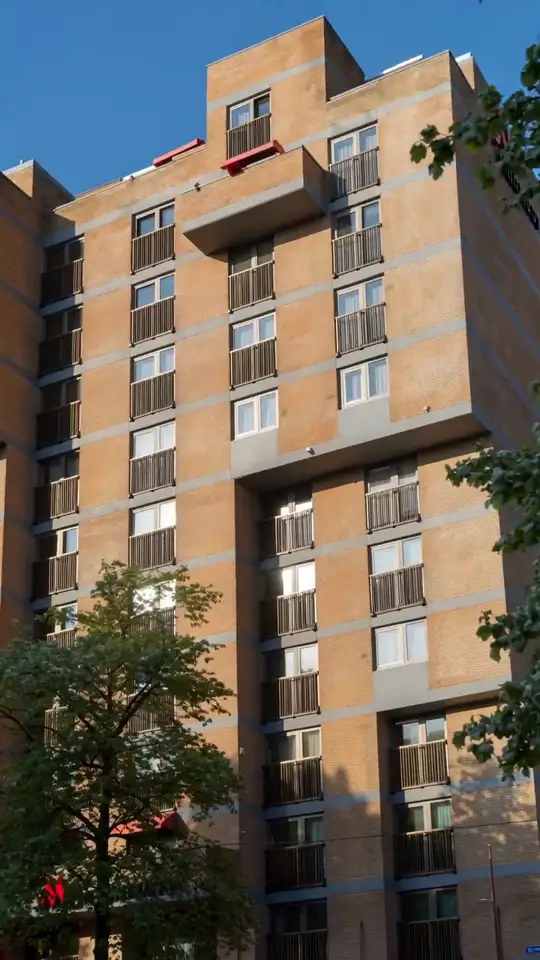
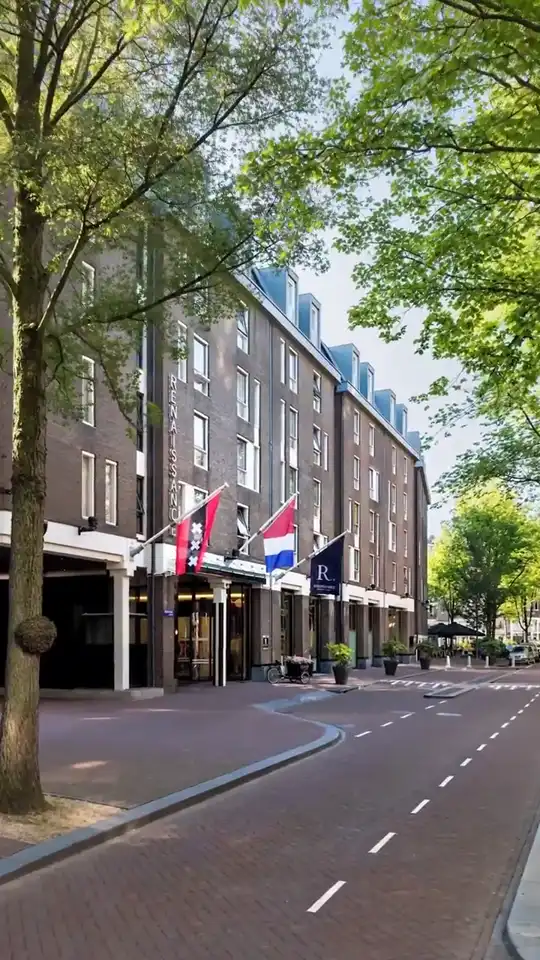
A few delivered examples show what that discipline looks like once it is cut for feed and Reels:
Google hotel video ads: YouTube and Performance Max basics
On Google, hotel video ads mostly live in two places: YouTube (skippable in-stream ads and YouTube Shorts) and Performance Max, which pulls video into Search, Discover, Gmail, and YouTube automatically from a single asset group. Google accepts landscape 16:9, square 1:1, and vertical 9:16, and for Performance Max each video needs to run at least 10 seconds, live on YouTube, and ideally sit at 1080p (Google Ads Help). You can add up to five videos per asset group, and that limit matters more than it sounds: skip video entirely and Google will auto-generate one from your images and headlines, which for a hotel usually means a generic slideshow with a logo card, not a shot of the pool at golden hour. Supplying your own vertical and horizontal cuts keeps you in control of what actually represents the property, and if you run separate asset groups for awareness versus direct booking campaigns, each one can carry creative built for that specific goal instead of one video trying to do both jobs.
None of this requires a fresh production for every campaign. Existing photography plus one recent video shoot, repurposed into the aspect ratios each platform wants, covers most of a small hotel’s paid media calendar for months. If you are budgeting for the production side of this (separate from media spend), our breakdown of what a hotel promotional video costs walks through typical ranges so you are not guessing at quotes.
| Placement | Aspect ratio | Length that works | Notes |
|---|---|---|---|
| Meta Reels | 9:16 vertical | 10 to 30 seconds | Biggest hotel inventory on Meta; respect safe zones |
| Meta Feed and Stories | 9:16 or 4:5 | 15 to 30 seconds | Same source clip, different crop |
| YouTube in-stream | 16:9 or 9:16 | 15 to 30 seconds | Skippable after 5 seconds, so hook fast |
| Performance Max | 16:9, 1:1, 9:16 | 10 seconds minimum | Supply your own video or Google auto-generates one |
Creative principles: the first three seconds, muted viewing, and prices out of the file
The first three seconds decide whether anyone sees the rest. Open on something that says hotel immediately: a wave rolling into the pool, steam off a breakfast plate, the actual view from an actual room, not a logo card or a slow fade-in. Feed and Reels autoplay without sound and without asking permission, so the opening frame has to work as a still image on its own before it ever has to work as video.
Design for mute first and treat sound as a bonus. Burn in captions or on-screen text for anything that matters, the property name, the location, the offer, because most viewers will never turn audio on. This is also why Meta’s Reels and Google’s Shorts inventory tend to reward creative that reads clearly with the volume down: both platforms are optimizing for how people actually hold their phones in public, sound off more often than not.
Keep prices, dates, and specific promo language out of the video file itself. Rates move, packages change, and a baked-in number turns a reusable asset into a one-time file you have to re-export every time the offer shifts. Put pricing and calls-to-action in the ad copy, the headline field, or an end card you can swap independently of the footage. This mirrors a rule Expedia enforces on its own hotel listing videos, which are not allowed to show prices or promotions on screen (Expedia Partner Central video guidelines): the video sells the stay, the surrounding text sells the deal.
Creative fatigue: when and how often to refresh
Every ad creative eventually wears out. The signals are the same for hotels as for any advertiser: frequency creeping up while results per dollar creep down, comments and shares drying up, or a video that used to stop the scroll starting to get skipped past. There is no fixed formula for exactly when this happens, since it depends on audience size and budget, so watch the trend inside your own account rather than a rule of thumb from somewhere else. A practical habit is to run three to five creative variants at once, built around different openers (the pool, the room, breakfast, the view, a guest moment), so no single video is carrying the entire campaign. Retire and replace the weakest performer on a rolling basis instead of waiting for the whole set to go flat, and plan at least one full refresh around each seasonal shift in occupancy, since a summer pool video has no business running through a winter push for ski or holiday travel.
A simple starter structure for a small hotel budget
There is no single right setup, but here is one reasonable way a small independent hotel could structure a first round of hotel video ads without overbuilding it. Treat this as a starting example, not a promise of specific results.
- One 16:9 property film, 30 to 60 seconds. Doubles as the YouTube in-stream and Performance Max landscape asset, and as the hero video on your own website.
- Three to five vertical cuts, 10 to 15 seconds each. Same footage, recut for Reels, Stories, and Shorts, each one opening on a different hook: pool, room, breakfast, location.
- One version with captions burned in and one clean. Covers placements where Meta adds its own text overlay and ones where it does not.
- A rotation plan. Swap out the weakest vertical clip every few weeks instead of replacing the whole set at once.
That structure maps closely onto how ad-ready clip packages are usually sold: one horizontal film plus a handful of verticals covers Meta, YouTube, and Performance Max without commissioning a separate shoot for each platform. If you already have decent property photos and want clips built from them rather than booking a new shoot, hotelvideo.ai turns existing photography into human-reviewed video, delivered in 48 hours, five vertical ad clips for $549 or a full property pack (one 16:9 film plus six verticals) for $999. You can see current ad clip packages and what each one includes.
Frequently asked questions
How much should a small hotel spend on video ads?
There is no universal number, but separate the two costs. Production of a solid promotional video typically runs from about $1,500 to $16,000, with a $3,200 to $7,800 range where quality and cost balance out best according to a 2026 pricing survey of agencies and clients. Media spend is a separate, ongoing line: start small, run several creative variants at once, and let early performance tell you whether to scale the budget up.
Meta or Google first for hotel ads?
For most independent hotels, start on Meta. Vertical video and detailed audience targeting (website visitors, past guest lists, lookalikes) tend to be easier to set up and cheaper to test than Performance Max, and hotel content is inherently visual, which suits Meta's feed formats well. Add Google once you have a working video library and want to catch higher-intent searchers already comparing dates and destinations on YouTube and Search.
How many ad creatives do I need?
Plan for at least three to five active variants rather than one hero video. Build each around a different opening hook, the pool, a room, breakfast, the view, a guest moment, so you can tell which angle resonates before the whole set fatigues. A single video, however good, wears out faster than a small rotating library shot from the same footage.
How often should I refresh ad creative?
Watch performance signals instead of a fixed calendar: rising frequency, falling engagement, or climbing cost per result while spend stays flat all suggest a creative is fatigued. Beyond that, plan at least one seasonal refresh so the video matches what guests are actually booking for, since a summer pool clip has no place in a winter campaign. Rotate out the weakest performer regularly rather than waiting for the whole set to go stale.