GuidesSocial
Hotel TikTok Marketing: A Practical Guide for 2026
· 7 min read
Listen to this guide
Hotel TikTok marketing works best for properties with something specific to show on camera: a rooftop view, a wild pool, staff with personality, a location travelers are curious about. It rewards independent hotels, boutiques, and resorts near a distinct destination far more than a generic business hotel near an airport. If a staff member is willing to appear on camera weekly and the property films well, TikTok can build low-cost awareness. If nobody wants to be on video and the property looks like every other mid-scale hotel, skip it and invest that time in photos and Instagram instead.
What Actually Performs on Travel TikTok
Travel TikTok rarely rewards the most cinematic video. It rewards the most believable one. A handheld clip of a housekeeper laughing about a guest request, a front desk agent explaining the weirdest thing anyone has asked for, or a raw thirty-second walk from the lobby to a rooftop bar will usually outperform a color-graded ad, because the platform's algorithm is built around watch time and completion rate, not production polish. Viewers scroll past anything that smells like a commercial in under a second.
This lines up with what travelers actually say moves them. In Expedia Group's 2025 "Science of Wanderlust" study of 7,000 travelers across seven markets, the tones that built the most trust in travel content were transparency, clarity and confidence, and authenticity, in that order, well ahead of anything glossy. People are not asking hotels to look perfect. They are asking hotels to look real.
A property in Fredericksburg, Texas, called Longneck Manor is the textbook example of what unscripted, low-production content can do: video of a giraffe leaning its head toward a guest room window has spread across TikTok, simply because it is genuinely surprising and completely unstaged. Almost no hotel has a giraffe, but every hotel has some version of that moment: a detail that makes a first-time viewer stop scrolling because it feels specific to that one property rather than generic to the category.
For more formats that consistently earn that kind of stop-scroll reaction, see our breakdown of hotel Instagram Reels ideas, almost all of which repost to TikTok with no changes needed.
Content Pillars for a Hotel TikTok Account
Posting on instinct runs out of ideas by week three. A short list of recurring pillars keeps the account moving without a content team, because every new video is a variation on a format that already works rather than a blank page.
- Room and property reveals: a POV walk from check-in to the room, a sixty-second "what you get for the price" tour, or a door-opening reveal of the best room in the building.
- Neighborhood context: the walk to the nearest beach, market, or transit stop, filmed once and framed as "here's what's actually around us."
- Staff personality: the same one or two team members on camera regularly, since recurring faces build the kind of familiarity that keeps people following.
- Food and drink: whatever the kitchen or bar is proud of, shot simply, ideally with the person who made it saying a line or two about it.
- Property quirks: the design detail, the odd historical fact, the view nobody expects, anything a guest would mention to a friend.
- Guest moments: check-ins, arrivals, or reactions filmed with clear guest permission, which tend to read as more credible than anything staff-led.
- Seasonal and local events: festivals, weather, holidays, anything that gives a reason to post this week specifically rather than any week.
None of these require a shoot day. Most can be filmed on a phone between other tasks, which is the only way a small property keeps a TikTok account alive past the first month.
Hooks and Cadence: The First Two Seconds
TikTok decides whether to keep showing a video to more people almost entirely on what happens in the opening two seconds. A slow establishing shot, a logo intro, or a caption that takes three seconds to make sense will lose most of the audience before the actual content starts. The videos that hold attention tend to open mid-action: already walking into the room, already mid-sentence, already showing the surprising thing, with any context filled in as on-screen text layered over the action rather than as a separate intro.
Cadence matters almost as much as any individual video. A single great clip posted once a month does very little, because the algorithm needs a consistent signal to know who to show an account to. Three posts a week is a realistic target for most independent hotels: enough to build a pattern without requiring a dedicated video person. The practical way to hit that pace without burning out is to batch filming. Spend one afternoon a month shooting six to ten short clips around the property, in different rooms and different light, then edit and post one or two per week from that bank. That single afternoon usually covers a month of content.
Hotel TikTok Marketing vs Instagram Reels: What Actually Changes
The good news is that a vertical clip built for TikTok will almost always work on Instagram Reels with no reshoot, and the reverse is largely true too. The two platforms reward the same underlying thing: an honest, fast-moving vertical video that earns a full watch. Where they genuinely diverge is discovery and audience behavior.
- Discovery: TikTok's For You feed leans harder on cold-start discovery based on the video itself, so a brand-new account with zero followers can still reach strangers on video one. Reels leans more on an account's existing follower graph and Instagram's broader ecosystem (Stories, Explore, DMs), so a near-zero-follower account has a slower climb.
- Sound: trending audio matters more on TikTok, where using a rising sound at the right moment materially affects reach. On Reels, sound helps, but original voiceover and captions carry more of the weight.
- Audience mindset: TikTok users are typically browsing with no destination in mind, closer to entertainment than research. Instagram users, especially on a hotel's own Reels, are more likely already considering the property, which makes Reels a better fit for content that answers a booking question directly.
- Caption style: TikTok captions tend to be short and conversational. Instagram captions can carry more detail, since Instagram users are more likely to read them before tapping through to a profile or bio link.
In practice, most independent hotels should post the same clips to both, adjust captions per platform, and pay attention to which platform is actually returning profile visits and link clicks before deciding where to invest more time.
Starting From Photos When You Can't Film Every Week
The honest reality for most properties is that nobody on staff has the time to film every week, no matter how good the intentions are at launch. Photos, on the other hand, already exist. Most hotels have a decent photo library sitting unused after the last professional shoot, and that library is enough to keep a video presence going even during weeks when nobody picks up a phone to film.
This is the gap hotelvideo.ai was built to close: it turns the photos a hotel already has into short vertical video, with a human reviewing the result before delivery, typically within 48 hours. A single 15-second vertical clip starts at $149, which is a realistic way to keep an account posting during a slow month without asking staff to become videographers. For a closer look at what that output actually looks like next to filmed content, our hotel promo video examples post walks through both side by side.

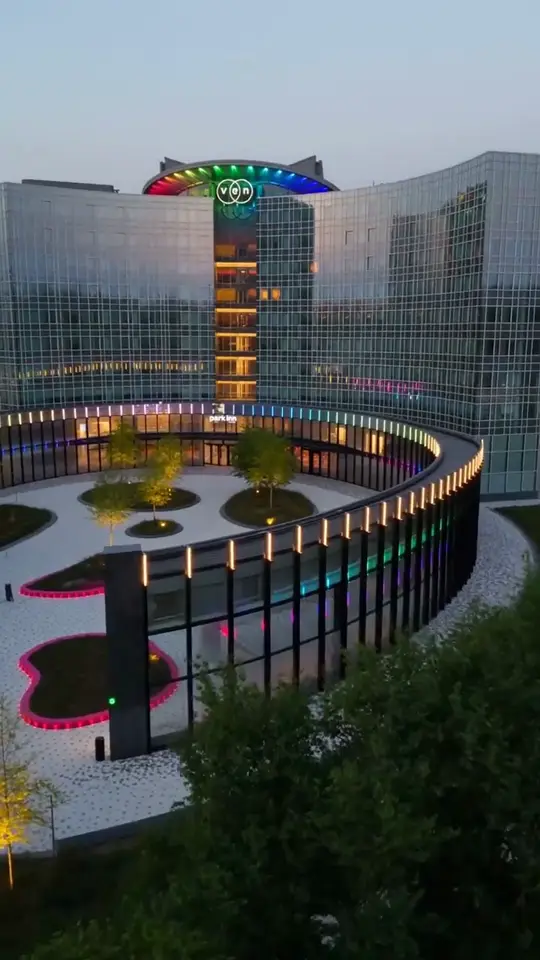

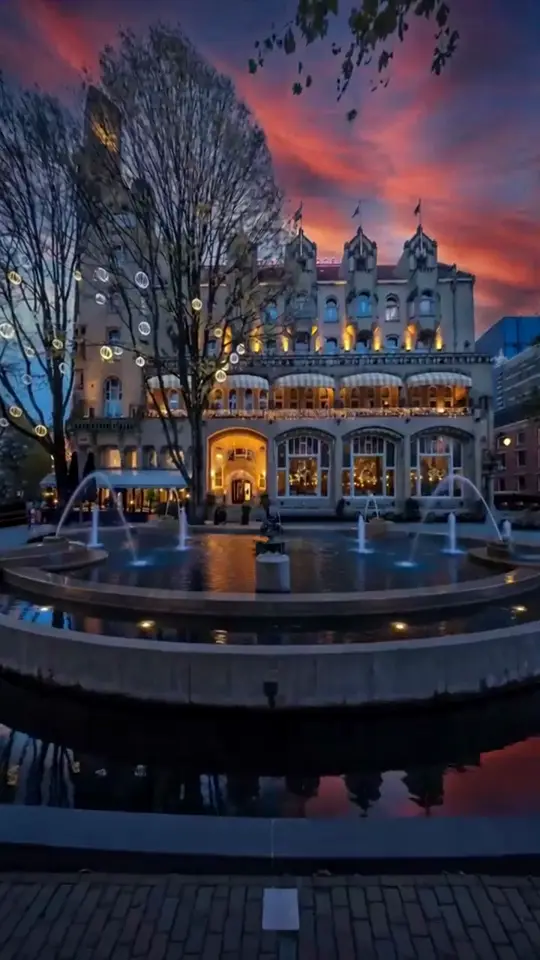
The clips above are real delivered work, not concepts, which is the more useful comparison than a mockup when deciding whether photo-based video fits a specific property's look. The full portfolio has more vertical examples across property types if a particular style or room type is the closer match.
A workable pattern for most hotels: two or three photo-based clips a month to keep posting steady, plus whatever staff manage to film in between. As filming becomes a habit, the ratio shifts toward more original footage, but the account never goes quiet waiting for someone to have a free afternoon with a camera.
Frequently asked questions
Should every hotel be on TikTok?
Not every hotel needs to be on TikTok. It rewards properties with a visually distinct location, design, or team willing to be on camera, which tends to favor independent hotels, boutiques, and resorts over generic business hotels. If your target guest skews older or corporate and nobody on staff wants to appear on video, that time is usually better spent on photography and Instagram, where the audience and content bar fit the property more naturally.
How long should hotel TikToks be?
There is no fixed rule, but shorter clips tend to hold attention better, since the algorithm favors videos people watch all the way through. A walk-through, a reveal, or a quick staff moment usually fits comfortably in well under a minute. Longer videos can work if the payoff earns the extra time, but if you are unsure, cut it shorter and let the property's most interesting few seconds carry the whole clip.
How do hotel videos go viral?
Most viral hotel videos share one trait: they show something specific and unscripted rather than a polished pitch. A giraffe leaning into a guest window at Longneck Manor, an unexpected room detail, or a staff reaction that feels real all spread because viewers watch to the end and share them with someone specific in mind. Consistent posting also matters, since the algorithm needs a pattern of content to know who to show an account to.
Does TikTok actually drive bookings?
TikTok itself rarely closes a booking directly, but it builds the kind of awareness and trust that leads to one later, often through a Google search or a visit to the hotel's own site. Expedia Group's 2025 travel content study found video influences travel booking decisions nearly three times more than static photos, with 71 percent of travelers saying video shaped their decision versus 24 percent for photos alone.