GuidesComparison
AI Hotel Video vs. Traditional Production: An Honest Comparison
· 6 min read
Listen to this guide
AI hotel video wins when you need something in days, not weeks, and your existing photos are good enough to work from: think social clips, Expedia listing videos, seasonal refreshes, or a quick campaign for a new promotion. Traditional production wins when you need footage no photo library can supply, drone shots, a presenter walking the lobby, live guests at the pool, or a flagship brand film meant to last for years. Neither replaces the other. Most hotels end up using both, just not for the same job.
AI Hotel Video vs. a Video Crew: The Numbers Side by Side
Before picking a lane, it helps to see the actual numbers next to each other. For a full breakdown of what drives traditional video pricing up or down, see our 2026 hotel promotional video cost guide. Here is the short version.
| AI Hotel Video | Traditional Production | |
|---|---|---|
| Cost | $149 to $999 depending on package | $1,500 to $16,000 per project, typically $3,200 to $7,800 for quality work |
| Turnaround | 48 hours | Weeks to months, depending on shoot scheduling and edits |
| What it can capture | Only what your existing photos show | Anything you can shoot: aerials, presenters, live guests, custom angles |
| Usage rights | Yours outright, no license renewals | Varies by contract, check term and territory limits |
| Refresh cost | $149 to $549, any time | Close to the original cost: a new shoot day and crew |
Those production costs come from Vidico's 2026 pricing survey of 80 clients and 12 agencies, and from Clutch's 2026 agency rate data, which puts typical hourly rates at $100 to $149. Our own AI hotel video pricing is $149 for one clip, $549 for five, and $999 for a full property pack; see the full 2026 pricing breakdown for how the math compares line by line.
What AI Hotel Video Does Well
AI hotel video earns its place in a hotel's marketing mix for reasons that have nothing to do with hype. It is fast, it is cheap enough to test, and it removes the friction that keeps most independent hotels from having any video at all.
- Speed. A 48-hour turnaround means you can have a clip live before a weekend promotion even needs one, no calendar juggling with a production crew.
- Cost that allows testing. At $149 for a single 15-second vertical clip, a hotel can try three different angles or offers and see what books, instead of betting the whole budget on one shoot.
- Refreshes without dread. Redecorated a room, added a rooftop bar, changed the season on your pool deck? A new clip costs $149 to $549, not a new production day.
- Formats built for where guests actually watch. Vertical 9:16 clips work for Instagram, TikTok, and Expedia's listing video guidelines (10 to 30 seconds, no music or voiceover, no price call-outs), while a 16:9 cut works for the website.
Where These Clips Actually Get Used
Where you can actually publish these clips matters too. Google Business Profile accepts videos up to 30 seconds and 75MB, and media typically shows up after a 24 to 48 hour review. Vrbo takes video tours from 15 seconds up to 2 minutes in either 9:16 or 16:9, up to 500MB. Booking.com is the exception worth knowing before you invest in any video: it does not accept video in its property photo gallery at all, its extranet video upload is only used to verify a brand-new listing's location, so a polished clip will not appear on a Booking.com listing page no matter how it was made.
The upside is not just convenience. Expedia Group's 2025 Science of Wanderlust study of 7,000 travelers found video influences booking decisions almost three times more than photos, with 71% of travelers saying video swayed their decision versus 24% for static images. You do not need cinema-grade footage to capture that lift, you need footage that exists. For a look at finished results, browse real hotel promo video examples.
The Honest Limits of AI Hotel Video
None of that makes AI hotel video a replacement for a crew, and any honest comparison has to say so plainly. The core limit is simple: AI can only work with what is already in your photos.
- No new angles. If nobody ever photographed your rooftop bar at sunset, an AI tool cannot invent that shot from a daytime photo of the lobby.
- No presenter. There is no on-camera host walking guests through the property or a staff member speaking to camera.
- No live guests or events. A wedding in progress, a packed restaurant on a Friday night, kids splashing in the pool, these need a crew there to capture the real moment.
- No new aerials. Drone footage of the building and grounds has to be shot fresh; it cannot be generated from ground-level photos.
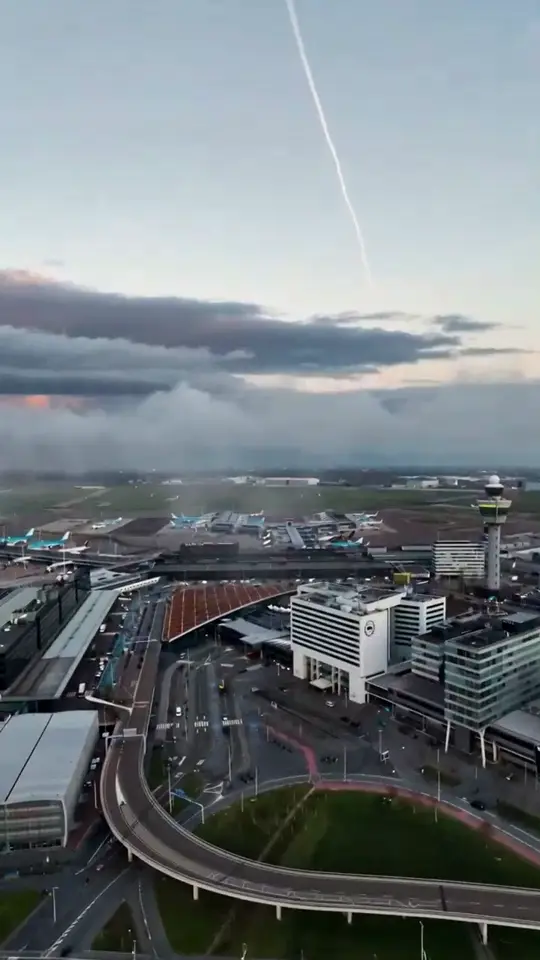
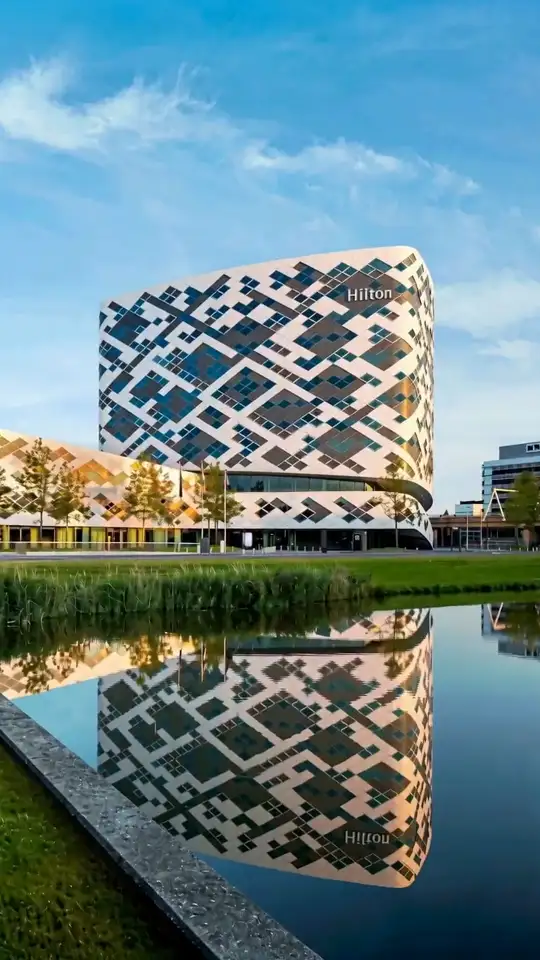
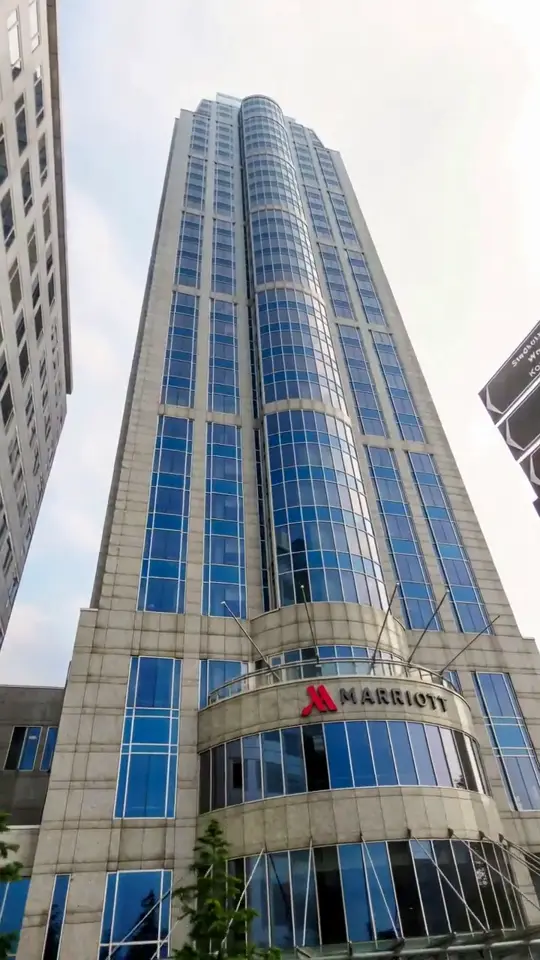
What AI video does deliver, within those limits, is real footage built from your real property, not stock clips or synthetic scenes. See the difference for yourself in our delivered portfolio of 58 videos across 49 Amsterdam hotels plus resorts in the US and Canada.
What a Video Crew Still Does Better
For everything AI video cannot do, a skilled videographer or agency still earns their rate.
- Anything that is not in a photo yet. Aerials, a spokesperson, a specific golden-hour exterior shot, action in the pool, all of it needs a camera on site.
- Long-shelf-life brand films. A flagship piece meant to run for years and anchor a bigger campaign benefits from a director's eye and a proper shoot plan. Marriott's 17-minute short film Two Bellmen, produced in-house, reportedly drove a 65% lift in brand searches, the kind of result built for a one-time, high-investment production, not a quick refresh.
- Full creative control. A crew can chase a specific mood, story, or shot list that does not exist yet anywhere in your photo library.
- Live, unscripted moments. Real guests, real events, real staff interactions in real time.
A Practical Decision Framework
Instead of picking a side, run your situation through a few honest questions.
- Do you already have decent photos? If your rooms, pool, and lobby are well-lit and recent, AI video has something to work with. If your photo library is old or thin, fix that first, with either a photographer or an AI tool, before video.
- How fast do you need it? Days, go AI. Weeks are fine, either option works, and a crew opens up more creative range.
- What is the budget for this specific piece? Under a thousand dollars, AI video. A few thousand and up, a crew becomes realistic, especially per the full cost breakdown.
- What is it for? A social ad, an Expedia listing video, or a seasonal refresh is a natural fit for AI. A homepage hero film meant to anchor your brand for years leans toward a crew.
- Does it need something a photo cannot show? Aerials, a presenter, or live guests mean you need a camera on site, no way around it.
The Hybrid Play Most Hotels Land On
In practice, most hotels do not pick one path forever. They use AI hotel video for the volume work, social clips, seasonal refreshes, Expedia listing videos, tests of a new offer, because the cost and turnaround make it painless to keep content current. Then, every year or two, they bring in a crew for a flagship piece: a new wing opening, a full rebrand, a homepage film meant to last. hotelvideo.ai fits the first half of that mix: send the photos you already have and get a human-reviewed video back in 48 hours, starting at $149 for one clip. It will not shoot your rooftop bar at sunset if nobody has photographed it yet, but for everything your camera roll already covers, it is the fastest way to stop sitting on photos that should be moving.
Frequently asked questions
Is AI hotel video good enough for luxury brands?
It depends on the piece. For social content, Expedia listing videos, or refreshing a seasonal offer, AI hotel video looks like real footage of your real property and holds up fine at luxury standards, since it starts from your own photos rather than stock footage. Where it falls short is a flagship brand film meant to define a five-star property for years. That still calls for a director, a shot list, and a proper crew.
How much cheaper is AI video than a traditional shoot?
Meaningfully cheaper. A single AI-generated clip runs $149, a set of five vertical ad clips runs $549, and a full property pack with a website film runs $999. A traditional shoot for comparable coverage typically runs $1,500 to $16,000, with most quality productions landing between $3,200 and $7,800. The gap widens further on refreshes, since a new AI clip costs a fraction of scheduling a new shoot day.
Can AI video use my existing photos?
Yes, that is the entire starting point. AI hotel video is generated from the photos your property already has: rooms, lobby, pool, restaurant, exterior, so there is no need to schedule a shoot or clear rooms for a crew. The tradeoff runs the other way too: the video can only show what your photos already show, nothing more.
Will guests notice a video is AI-generated?
Done well, no. The video is built from your property's actual photos, not synthetic scenes or stock footage, so it looks like a real walk through your real rooms and grounds. Human review before delivery catches anything that looks off, an odd movement or a mismatched detail, before it reaches a guest. It will not have a presenter or live action, but the footage itself reads as real.